
#63 Leadership in the ICU and Beyond
The importance of leadership in the hospital setting is critically important yet often overlooked. It’s even more important to have sound leaders and adhere to well-founded leadership practices when taking care of the critically ill. Join us as we sit down with Dr. Josh Hartzell - internist, infectious disease physician, author, veteran and physician-leader - as we discuss Leading in the ICU and Beyond!As always, please leave us feedback and let us know what you think!
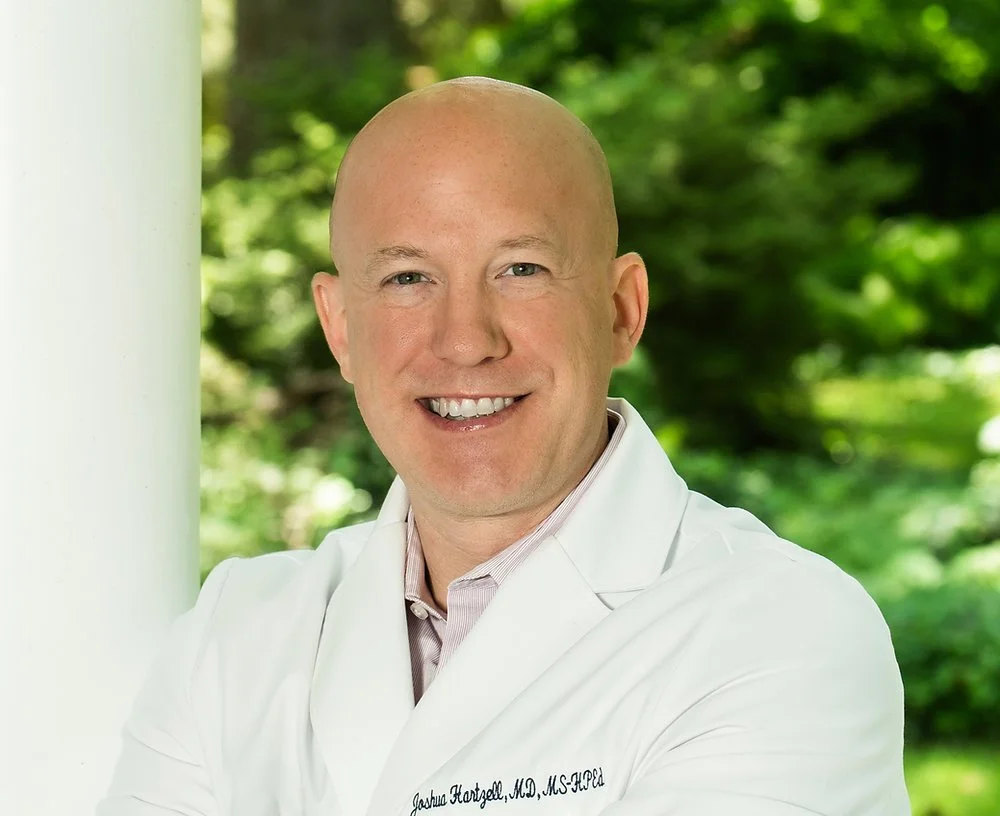
Joshua D. Hartzell, MD, MS-HPEd, FACP, FIDSA
What Is “Caring-Inspired Leadership” & Why It Matters
The core thesis of Hartzell’s book: effective leadership in healthcare isn’t just about tasks, efficiency, metrics — it’s about people. Leadership should be guided by a desire to care for team members (not just patients), to foster a culture of compassion and excellence.
Hartzell has said in interviews: his revelation from decades of experience is that: “If we take care of our people, then they will take care of our patients and trainees.”
In high-stakes, emotionally intense environments — like ICU or military medicine — teams rely on trust, collaboration, mutual respect. Caring-inspired leadership builds relationships and psychological safety, enabling better teamwork, resilience, and ultimately patient care.
Some great points we touched on
Sleep is not for the weak.
a leader bragging about not needing sleep is like an athlete bragging about not needing water
Saying No
To quote Greg McKeown "The right no spoken at the right time can change the course of history" and "if it isn't a clear yes than it's a clear no"
But how to say no:
Step 1. Buy time
"Wow, I am honored you would think of me. Let me think about it to make sure I can give my full effort."
"Thanks, this sounds like a great opportunity, but I would like to review it with my [mentor/partner/wife/etc]"
"This is definitely something I am interested in. I just need to look at my ongoing commitments before I can give you an answer."
Step 2. Discuss with your “committee of no” & use a decision matrix
does this fit with my goals?
would the work use my skills?
what is the long term benefit, could it lead to something aligned with my goals?
what is the timing (week, month, year) and commitment?
can I be involved in part but not all?
will saying no have consequences?
Care enough to take care of those you lead
"why don't I hold your pager for half an hour so you can get a coffee"
"why don't I put in this line so you can get caught up on notes"
"why don't we turn this meeting into an email to save everyone's time"
send a text message of encouragement
intentional acts to show you care about someone
"we don't want yoga or donuts, we want the institution to respect us by not wasting our time"
Lead by example. Model wellness, fitness, exercise, taking vacations, etc.
"Care enough to be present" especially during challenging times
you say "run towards the sound of guns" I think of it as "run towards blood"
Hold people (and yourself) accountable and to high standards
"we want you to know we are giving you this feedback because we care about you and your personal and professional success"
Care enough to give feedback
--> ad hoc vs summative
--> Book: Radical Candor (4 quadrant approach)
--> give POSITIVE feedback --> One Minute Praising's (e.g. great job in that family meeting just now)
--> public praise, private criticism with caveats
Be Humble - remember “the humble 9”
"I don't know"
"I was wrong"
"I am sorry"
How to become a better leader?
Make it a point to be a student of leadership. Spend 30 minutes a week studying leadership. Podcasts, articles or books, mentors, reflect on how you are leading. Take courses on leadership.
Lead and seek feedback - Find a mentor
Observe others - leadership is everywhere
Demonstrate gratitude every day. Thank at least one person everyday. “Thank you for the way you ___. Thank you for the work you do.” Find the people who are not thanked.
